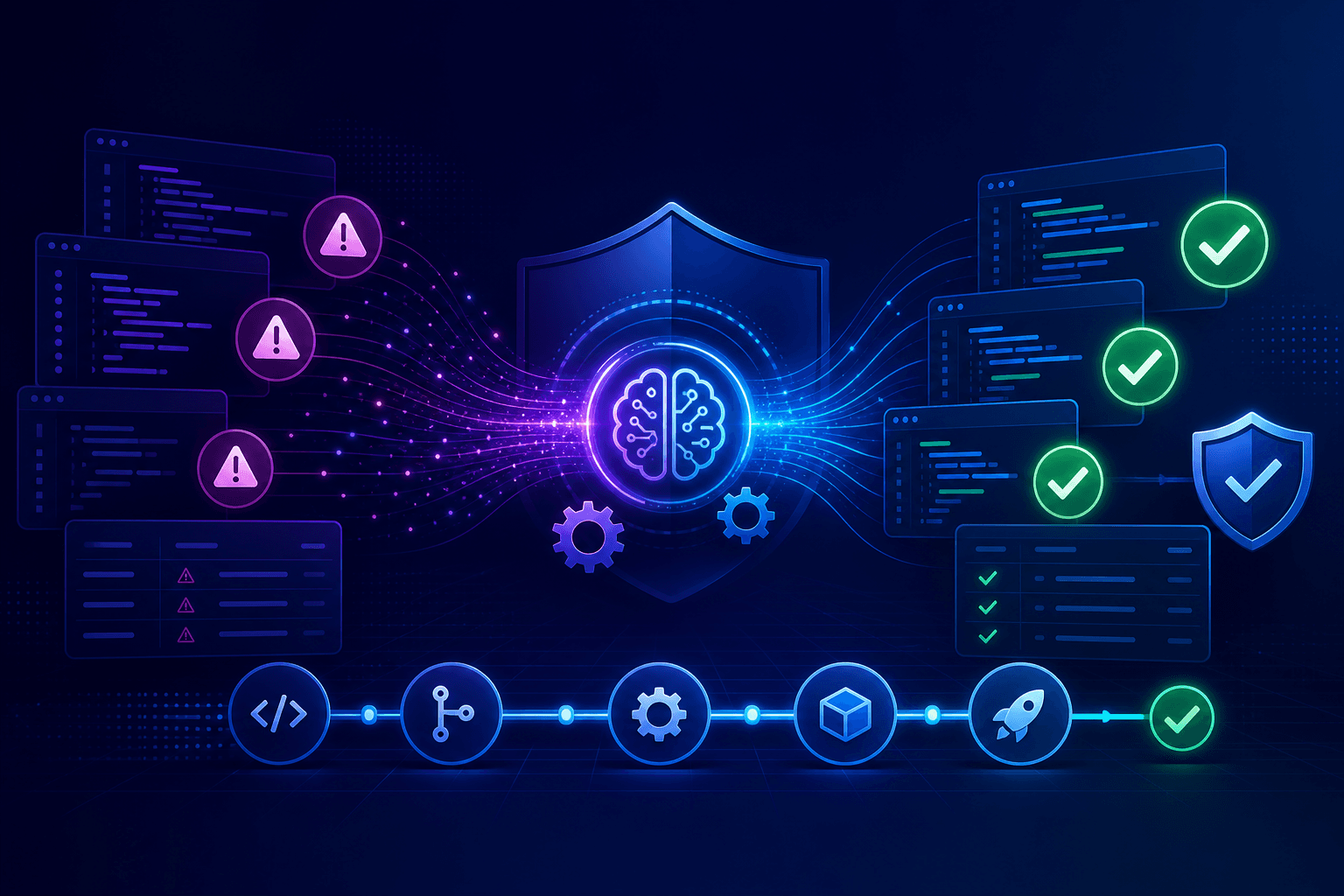
Flaky tests are the silent productivity killer in software engineering. They erode trust in your test suite, slow down CI pipelines, and create a culture where failures are ignored rather than investigated. Here's how to fight back.
Understanding Test Flakiness
A flaky test is one that passes and fails intermittently without any code changes. The most common causes include:
1. Race Conditions and Timing Issues
Hardcoded waits (sleep(2000)) and missing synchronization points are the number one cause of flakiness. Modern applications are asynchronous — your tests need to be too.
Fix: Use smart waits that poll for conditions rather than waiting fixed durations. Wait for network requests to complete, animations to finish, and elements to become interactive.
2. Environment Dependencies
Tests that depend on specific database states, third-party APIs, or system configurations will inevitably fail when those dependencies shift.
Fix: Isolate test environments, mock external dependencies, and seed data deterministically before each test run.
3. Brittle Selectors
Selecting elements by CSS class names, XPath, or auto-generated IDs creates fragile coupling between tests and implementation details.
Fix: Use semantic selectors — test IDs, ARIA roles, accessible labels. Better yet, let AI understand what elements represent conceptually, not structurally.
4. Shared State Between Tests
Tests that depend on execution order or share mutable state will fail in parallel execution and after test suite reordering.
Fix: Each test should set up its own state and clean up after itself. Treat tests as independent, isolated units.
The AI-Driven Approach
While these fixes address symptoms, AI-driven QA addresses the root cause: the fragility of script-based testing itself.
Self-Healing Tests
AI agents monitor test executions and automatically adapt when elements change. If a button moves from the header to a sidebar, the AI recognizes the same conceptual action and updates the locator without human intervention.
Intelligent Retry Logic
Instead of blindly retrying failed tests, AI agents analyze the failure mode and determine whether it's a genuine bug, a timing issue, or an environmental problem. This eliminates both false positives and false negatives.
Continuous Learning
Every test execution generates data. AI agents use this data to identify patterns — which tests are most likely to catch real bugs, which are pure noise, and where the biggest risks lie in your application.
Moving Forward
The path from flaky tests to autonomous QA is a journey, not a switch. Start by measuring your current flakiness rate, identify the worst offenders, and apply targeted fixes. Then, as you gain confidence, let AI agents take over the heavy lifting.
Your engineering team should be building features, not babysitting tests.